How long are Thanksgiving leftovers good for?
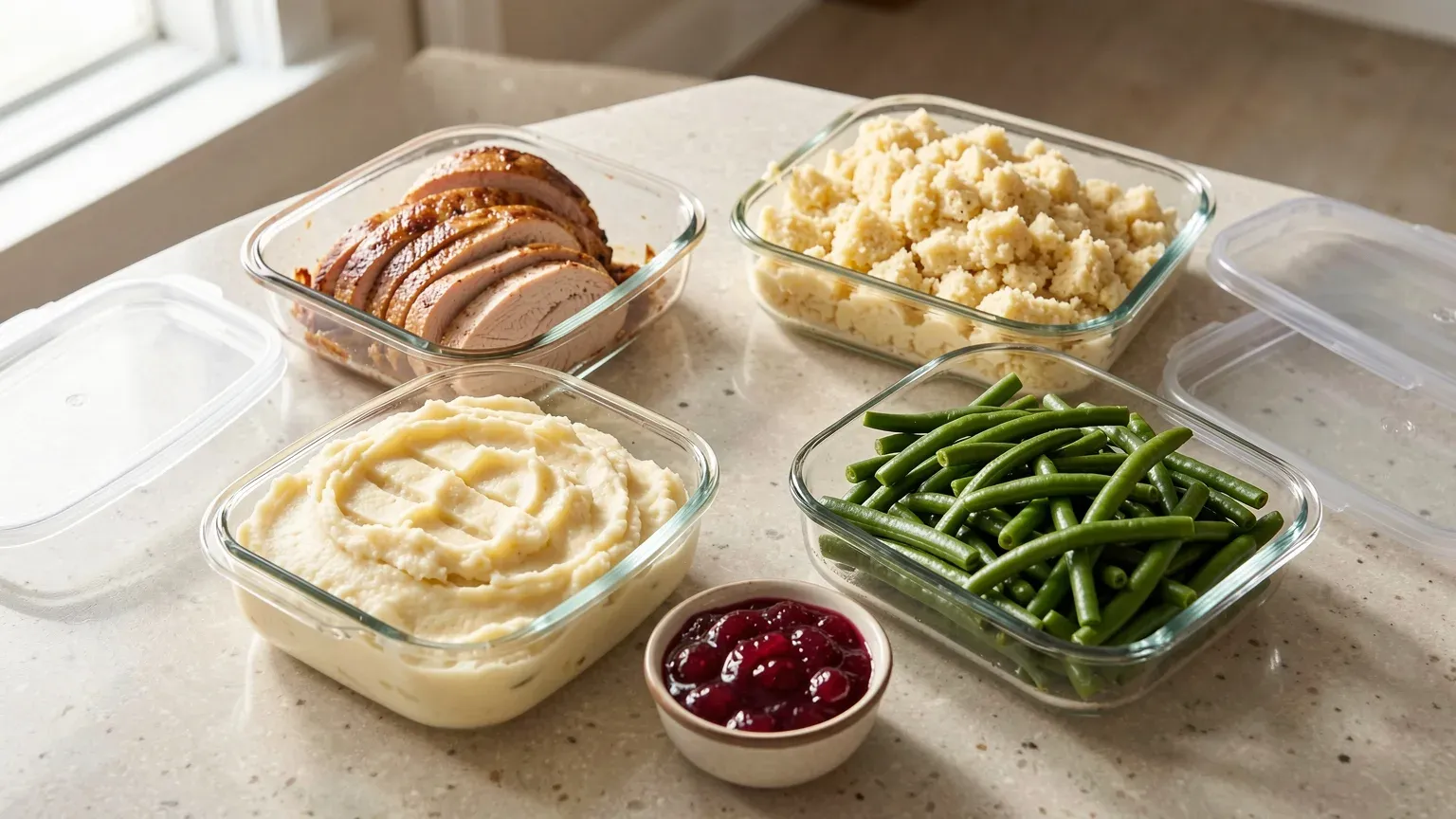
The meal is over, the table is a mess, and there’s half a turkey, a dish of stuffing and a pot of gravy still sitting out. The short answer: put it all in the fridge within 2 hours, and eat it within 3 to 4 days or freeze it. Here’s how to do that without fuss, and how to turn what’s left into easy meals for the rest of the week.
The 2-hour rule
The USDA’s Food Safety and Inspection Service (FSIS) says bacteria grow fastest between 40°F and 140°F, so perishable food shouldn’t sit at room temperature for more than 2 hours (1 hour if it’s over 90°F). That clock starts when the food comes off the stove or out of the oven, not when dinner ends.
On a long, chatty afternoon, those 2 hours go by fast. A simple habit helps: once everyone has had their plates filled, put the extra food away and bring it back out if people want seconds. Anything that’s been out longer than 2 hours goes in the trash, not the fridge. That includes the dishes guests brought.
Store it so it cools fast
A whole turkey or a deep pot of gravy cools slowly, and the middle can stay warm for a long time. FSIS’s guide to handling cooked turkey dinners and its page on leftovers and food safety say to:
- Take the stuffing out of the bird and refrigerate it separately.
- Cut the turkey into smaller pieces. Slice the breast meat; legs and wings can stay whole.
- Use shallow containers for potatoes, gravy and vegetables, so they cool quickly.
- Don’t wait for it to cool on the counter. Hot food can go straight into the fridge.
- Cover or seal everything. It keeps bacteria out and stops food from drying out or picking up other smells.
Reheating a whole turkey isn’t recommended, so carving it now also saves you a step later.
How long Thanksgiving leftovers keep
FSIS gives cooked turkey, side dishes and gravy 3 to 4 days in the fridge (at 40°F or below). If you eat on Thursday, that means finishing or freezing your leftovers by about Monday. A useful way to think about it:
- Friday and Saturday: eat what you’ll enjoy most, while it’s at its best.
- By Sunday: decide what you won’t get through, and freeze it.
The freezer keeps food safe for as long as it stays frozen (at 0°F or below), but it slowly loses moisture and flavor, so FSIS suggests eating frozen leftovers within 3 to 4 months. Freeze in meal-sized portions with the date on them, so you only thaw what you need.
Reheat it right
FSIS says to reheat leftovers to 165°F, checked with a food thermometer, or until hot and steaming:
- Gravy, soups and sauces: bring them to a rolling boil.
- In the microwave: cover the dish, add a splash of liquid if it’s dry, and stir or turn it so it heats evenly. Microwaves leave cold spots, so check the temperature in a few places.
- From the freezer: thaw in the fridge, in cold water (in a sealed bag) or in the microwave. Soups, stews and casseroles can also be reheated straight from frozen; they just take longer.
Thawed in the fridge? Eat it within 3 to 4 days. If you thaw it in cold water or the microwave, reheat it right away.
Turn leftovers into the next few meals
Leftovers are already cooked, which makes the days after Thanksgiving some of the easiest of the year to plan. A few ideas that change the flavor without much work:
- Turkey soup: simmer the carcass or some meat with water, onion, carrots and celery, then add rice, noodles or beans.
- Turkey and veggie wraps or sandwiches: add greens, a crunchy vegetable and a little cranberry sauce.
- A grain bowl: turkey over rice or quinoa with roasted vegetables and a spoonful of gravy or a squeeze of lemon.
- Hash for breakfast: brown leftover potatoes or sweet potatoes in a pan with turkey and an egg on top.
- Stuffed peppers or a quick bake: mix stuffing and turkey, spoon it into peppers or a dish, and bake until it’s hot all the way through.
A side of fresh vegetables or fruit adds color and crunch. If you already plan your week, swap a meal or two for these and skip buying what you don’t need. Our post on meal planning on a budget has more on cooking once and eating twice, and meal prep for beginners covers storing and reheating any time of year.
Enjoy the day, then go back to your usual plan
Thanksgiving is one meal. There’s nothing to make up for and nothing to undo. Enjoy it, eat what you like, and on Friday pick up where you left off: your usual breakfast, your usual plan, with some leftovers mixed in.
If you use Nutramigo, you can tell Amigo what you had (“Thanksgiving dinner: turkey, stuffing, mashed potatoes and pie”) and he logs it in place of the planned meal, with an estimate of the calories and protein. That’s an estimate, not a measurement, and there’s no guilt attached: it just keeps your plan honest. In the days after, you can ask him to swap a meal for one that uses your leftover turkey. You can read more about logging a meal that wasn’t in your plan.
A note on safety
This is general information, not medical advice. If you’re pregnant, older, have a weakened immune system or a health condition, or you’re feeding young children, ask your doctor or a registered dietitian whether extra food-safety care applies to you. When in doubt about something that’s been out too long, throw it out.
If someone at your table has a food allergy, check what went into each dish before sharing leftovers, especially ones guests brought, and read the label on anything store-bought. Nutramigo leaves allergens out of your plan and checks its recipes for them, but labels are the final check.